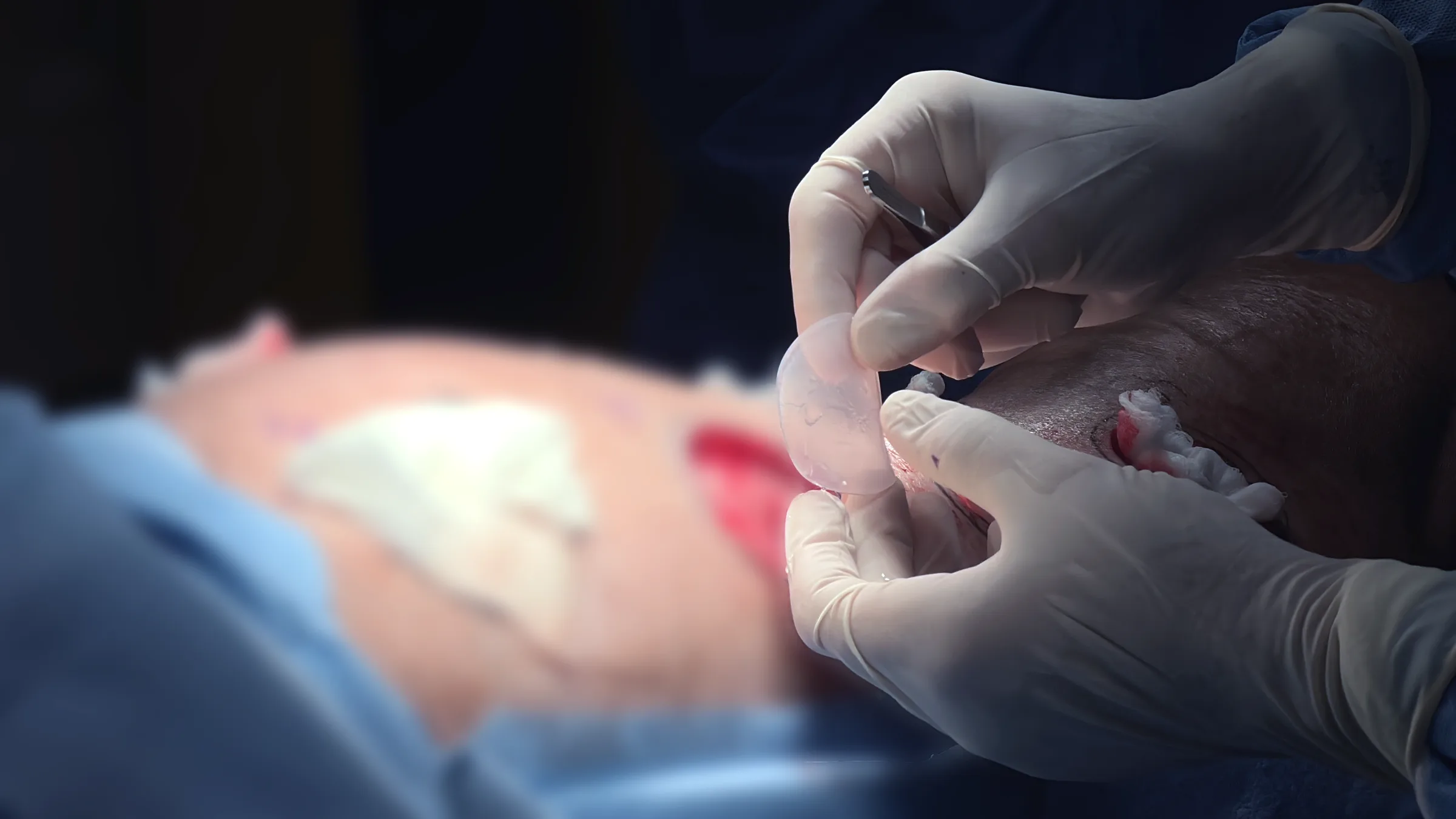
Gloved hands lifting a DermiSphere hDRT template from its tray

Accelerating the Foundation for Healing

Designed for Integration. Built for Healing.

DermiSphere™ hDRT is the first and only dual-⁠density collagen hydrogel Dermal Regeneration Template, designed to support tissue integration, rapid vascularization, and new tissue formation through its permissive architecture.¹˒⁸˒⁹

Discover the DermiSphere Difference
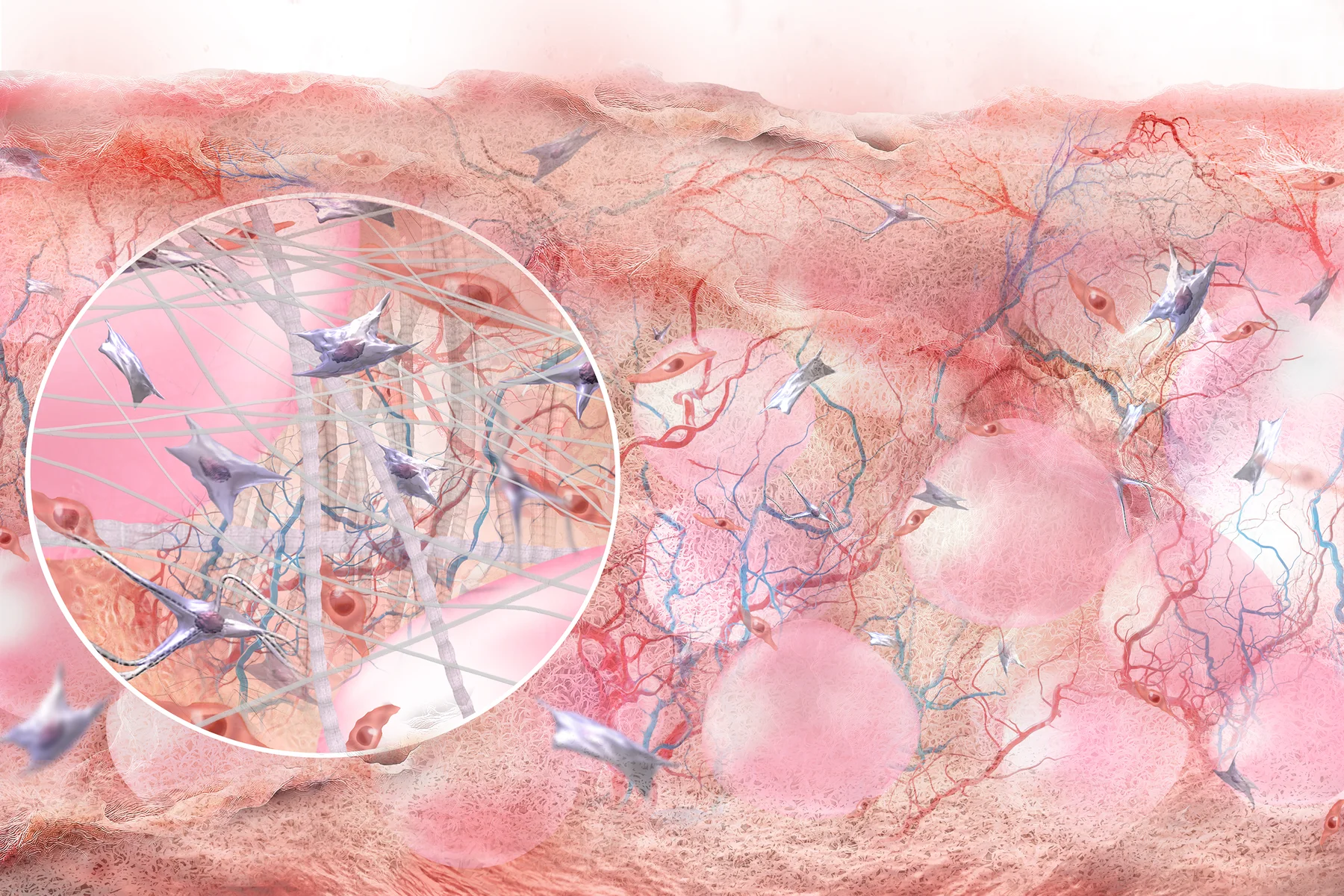
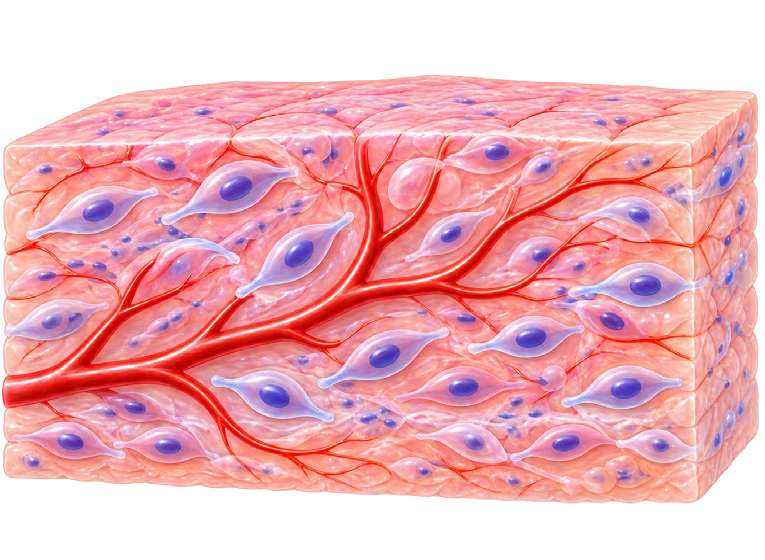
Illustration of DermiSphere hDRT at Day 7 showing cellular invasion and vascularization

Clinical Challenge

Successful Dermal Regeneration Starts with Tissue Integration and Vascularization

Effective tissue regeneration depends on creating an environment that supports cellular migration, vascular network formation and the development of new (dermal) tissue.¹˒⁸˒⁹˒¹¹

The architecture of the scaffold matters. Cells respond to the structural and mechanical characteristics of their surrounding environment. DermiSphere™ hDRT is designed to support the early stages of tissue regeneration by providing a permissive scaffold architecture that enables the body’s own biologic processes.¹˒¹¹

The DermiSphere™ Difference

A dual-density hydrogel architecture designed to support the biology of tissue regeneration through its permissive structural properties while providing flexibility across surgical applications.

Explore How DermiSphere Works

Tissue Integration

  • Through its permissive structural properties, DermiSphere™ hDRT’s differential collagen densities and resorption rates are designed to support rapid cellular population, scaffold integration and new tissue deposition.¹˒⁸˒⁹˒¹¹
  • ~1.5 mm of dermal tissue deposition observed by Day 7 and ~2.5 mm by Day 10 in preclinical evaluation.⁹

Rapid Vascularization

  • Designed to provide structural features that support the native wound-healing environment and facilitate rapid neovascularization throughout the template and the formation of vascularized tissue.¹˒⁸˒⁹˒¹¹
  • Vascularization throughout DermiSphere™ observed by Day 7 in preclinical evaluation.¹˒⁹

Surgical Flexibility

  • Specifically designed without a barrier layer to adapt to irregular wound topography and provide flexibility across reconstructive approaches.⁵˒⁷
  • Reconstructive Flexibility / Conformable / Non-Sided / Intraoperatively Trimmable / Translucent

Dual-Density Hydrogel. Designed Differently.

DermiSphere™ hDRT combines a lower-density collagen hydrogel matrix with dense Type I collagen microspheres to create a unique dual-density microarchitecture designed to allow cellular migration, progressive tissue integration, and vascularization through its permissive structural properties.¹˒⁸˒⁹˒¹¹

Dense Collagen Microspheres

Create regions of increased structural density within the scaffold.¹˒⁸˒⁹˒¹¹

Hydrogel Matrix

Supports cellular migration throughout the scaffold and provides a permeable environment that allows for efficient diffusion of oxygen and nutrients.¹˒⁸˒⁹˒¹⁰˒¹¹

Density Interfaces

Interfaces between differential collagen densities create structural gradients that provide a permissive environment to support cell migration and vascularization within the scaffold as part of the body’s natural healing response.¹˒⁹˒¹¹

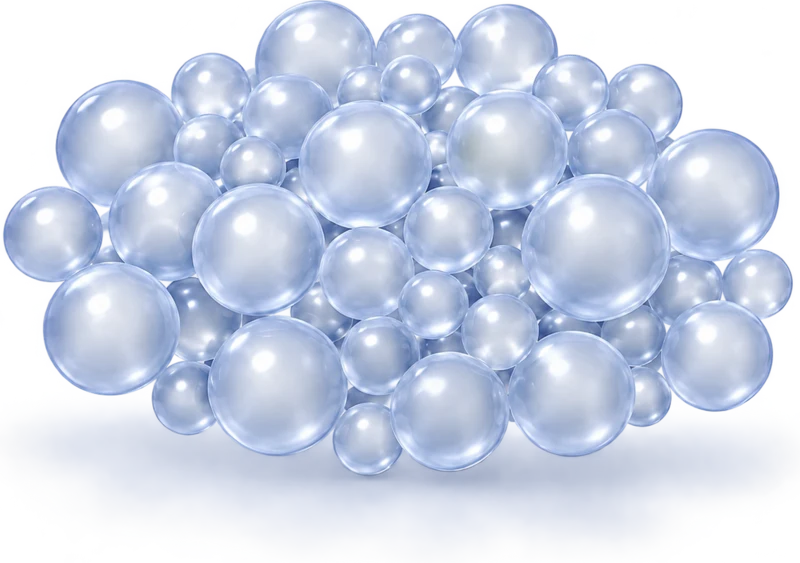
Dense collagen microspheres

Dense Collagen Microspheres

Hydrogel matrix

Hydrogel Matrix

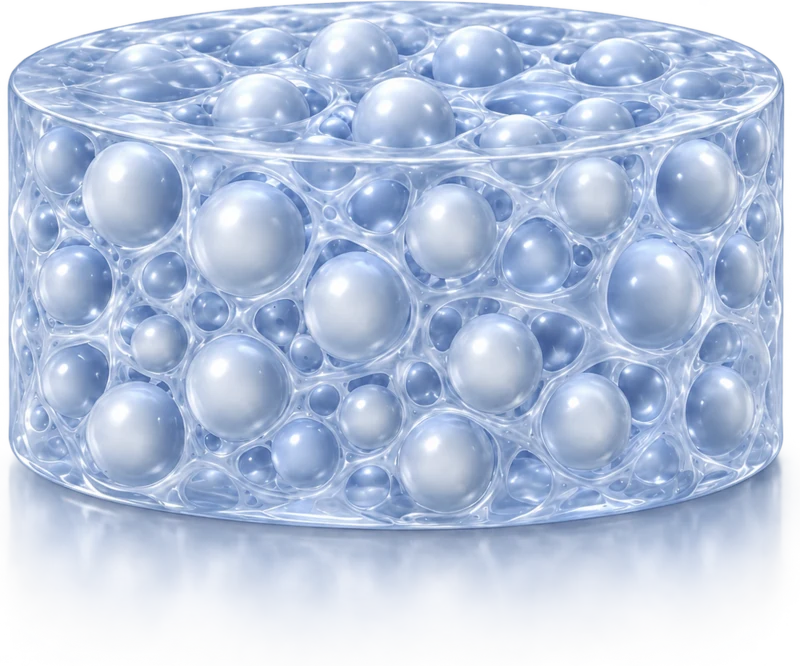
DermiSphere hDRT: dense collagen microspheres suspended in the hydrogel matrix

DermiSphere™ hDRT

The Science

DermiSphere’s permissive scaffold architecture provides a structural environment that supports host cell migration, vascular ingrowth and new tissue deposition as part of the body’s natural healing response.

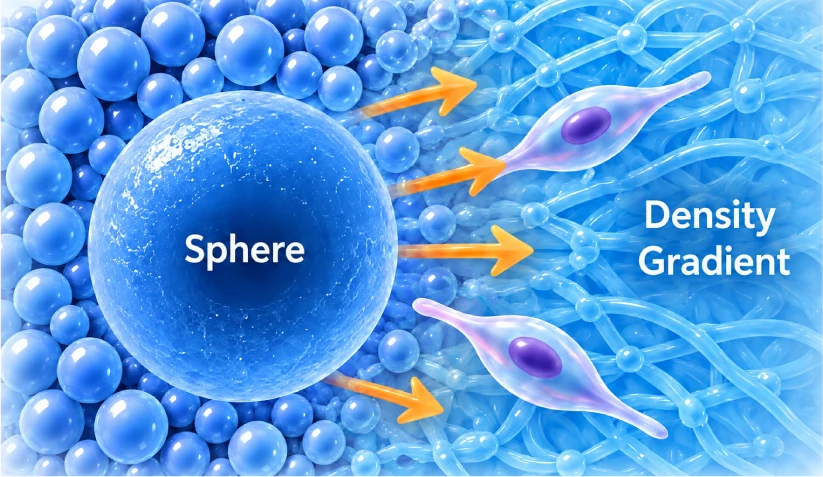
Cells sense and respond to the mechanical properties, or stiffness, of their surrounding environment through a process known as mechanotransduction. Within DermiSphere hDRT’s dual-density architecture, structural transitions create localized density gradients that provide physical durotactic cues designed to allow cellular migration through the scaffold.¹˒¹¹

Illustration of the dual-density scaffold: dense collagen microspheres above a hydrogel matrix

Density gradients within the DermiSphere™ scaffold are designed to provide physical directional cues that support cellular migration and population of the matrix.¹˒¹¹

Illustration of cells migrating along a density gradient from a collagen microsphere into the hydrogel matrix

DermiSphere's two collagen phases are designed to resorb at different rates.¹ The lower-density hydrogel resorbs more rapidly, while the denser collagen microspheres resorb more slowly—providing a permissive scaffold architecture designed to support new tissue deposition of stable, vascularized neodermal tissue as part of the patient's natural healing response.⁴˒⁹

Lower-Density Hydrogel

Earlier Resorption

Illustration of the DermiSphere collagen hydrogel matrix

Dense Collagen Microspheres

Slower Resorption

Illustration of dense collagen microspheres

Together

Vascularized Tissue Formation

Illustration of vascularized neodermal tissue

Designed Differently. Demonstrated Clinically.

See how DermiSphere’s differentiated architecture performs in clinical evaluation.

Explore the Evidence

Evidence

Evidence Behind the DermiSphere™ Difference

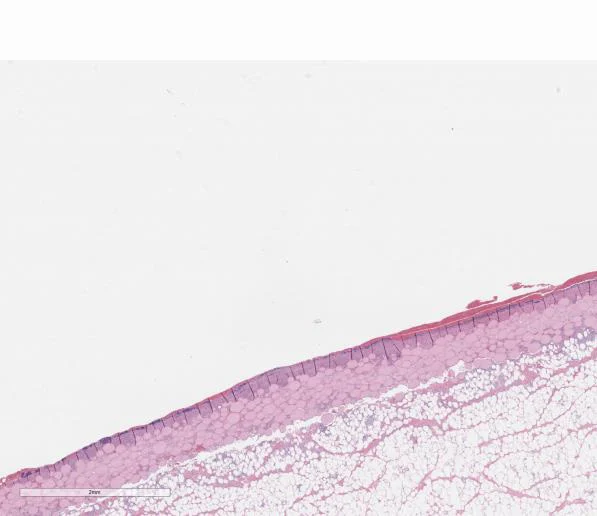
Preclinical studies evaluating DermiSphere™ hDRT in full-thickness wounds demonstrated early cellular invasion, vascularization throughout the scaffold and deposition of new dermal tissue. These observed responses reflect the host’s native biology occurring within the permissive scaffold architecture.¹˒⁸˒⁹˒¹¹

Day 3

Early Cellular Invasion

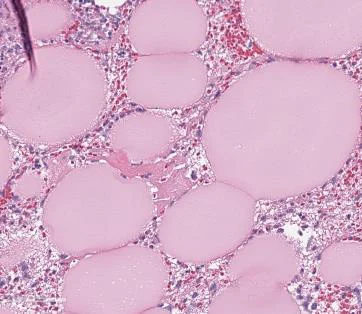
DermiSphere™ hDRT demonstrated cellular invasion throughout the template, with 100% wound-bed incorporation observed by Day 3.⁹

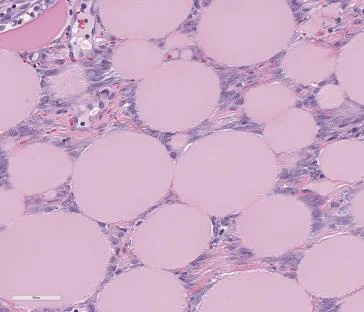
Histology section of DermiSphere hDRT in a full-thickness wound at Day 3Magnified view of the Day 3 histology section: cells infiltrating the spaces between the collagen microspheres.

Day 3

Day 7

Complete Vascularization

By Day 7, vascularization extended through the full thickness of the DermiSphere™ hDRT scaffold in preclinical evaluation.¹˒⁹

Histology section of DermiSphere hDRT in a full-thickness wound at Day 7Magnified view of the Day 7 histology section: new blood vessels forming between the collagen microspheres.

Day 7

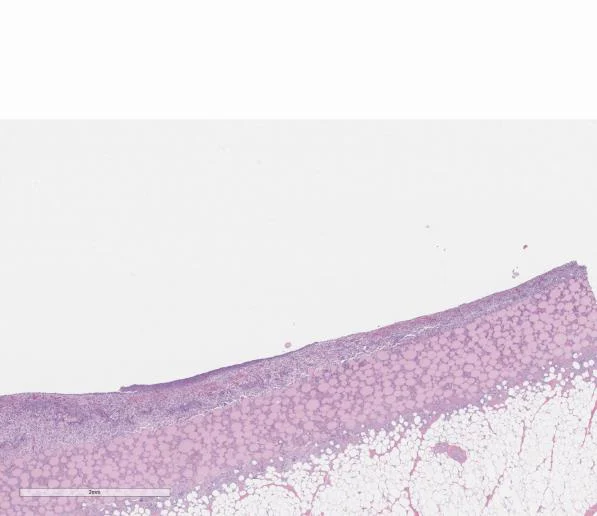
Day 7 and Day 10

Robust Tissue Deposition

By Day 7, approximately 1.5 mm of new dermal tissue was observed in DermiSphere™ hDRT-treated wounds, increasing to 2.5 mm by Day 10.⁹

Histology section of DermiSphere hDRT in a full-thickness wound at Day 10Magnified view of the Day 10 histology section: dense new tissue deposited between the collagen microspheres.

Day 10

Scale bar denotes 2 mm (zoom out) or 60 um (inset)

Differentiated Performance in Comparative Preclinical Evaluation

In an exploratory preclinical study, DermiSphere™ hDRT was compared with a legacy dermal regeneration template across measures of cellular invasion, vascularization and new tissue deposition.⁹

Explore the Evidence

Discover additional clinical and scientific evidence supporting DermiSphere™ hDRT, including publications and clinical case experience.

Greater Cellular Invasion

At Day 3, DermiSphere™ hDRT demonstrated higher cell density than the legacy DRT across the evaluated upper scaffold regions.⁹

More Extensive Vascularization

At Day 7, DermiSphere™ hDRT demonstrated full-thickness vascularization, while the legacy DRT demonstrated incomplete vascularization. Vascularized tissue invasion was significantly greater with DermiSphere™ hDRT (1.411 ± 0.233 mm vs. 0.867 ± 0.274 mm; p=0.046).⁹

Greater Dermal Tissue Thickness

At Day 7, DermiSphere™ hDRT demonstrated significantly greater dermal thickness than the legacy DRT.⁹

Preclinical results do not necessarily translate to clinical outcomes.

Surgical Flexibility

Designed for Surgical Handling and Flexibility

Adaptable to the wound.
Flexible to the reconstructive approach.

DermiSphere™ hDRT combines a conformable hydrophilic collagen hydrogel structure with practical design characteristics that support flexibility across wound topographies and reconstructive approaches.⁵˒⁷

Easy to Handle and Position

The hydrophilic hydrogel conforms and adheres to the wound bed, helping DermiSphere™ hDRT stay in position while allowing it to be repositioned as needed. No sutures or staples are required for fixation.¹˒⁶˒⁷

Conformable

Adapts to irregular and complex wound topography while maintaining intimate contact with the wound bed.⁵˒⁷

Permissive to Fluid

The hydrogel structure allows fluid to pass through the template, eliminating the need for pie-crusting or fenestration.

Reconstructive Flexibility

DermiSphere’s conformable, barrier-free architecture provides flexibility across wound management and reconstructive approaches, including procedures in which skin grafting may be incorporated based on clinical judgment.²

Non-Sided

Can be positioned in any direction without compromising fit or function.³

Intraoperatively Trimmable

Can be trimmed within the wound bed to match the dimensions and contours of the wound.³

Translucent

Allows visualization of the wound surface during placement.³

Product Information

DermiSphere™ hDRT Product Information³

Catalog Number
Description
Size
Area
HDRT0405
Hydrogel Dermal Regeneration Template
4 cm × 5 cm
20 cm²
HDRT1012
Hydrogel Dermal Regeneration Template
10 cm × 12 cm
120 cm²

DermiSphere™ hDRT hydrogel Dermal Regeneration Template is a wound dressing indicated for the management of wounds including: partial and full-thickness wounds, pressure ulcers, venous ulcers, diabetic ulcers, chronic vascular ulcers, tunneled/undermined wounds, surgical wounds (donor sites/grafts, post Moh’s surgery, post laser surgery, podiatric, wound dehiscence), trauma wounds (abrasions, lacerations, second degree burns, skin tears) and draining wounds. This device is intended for one-time use.³

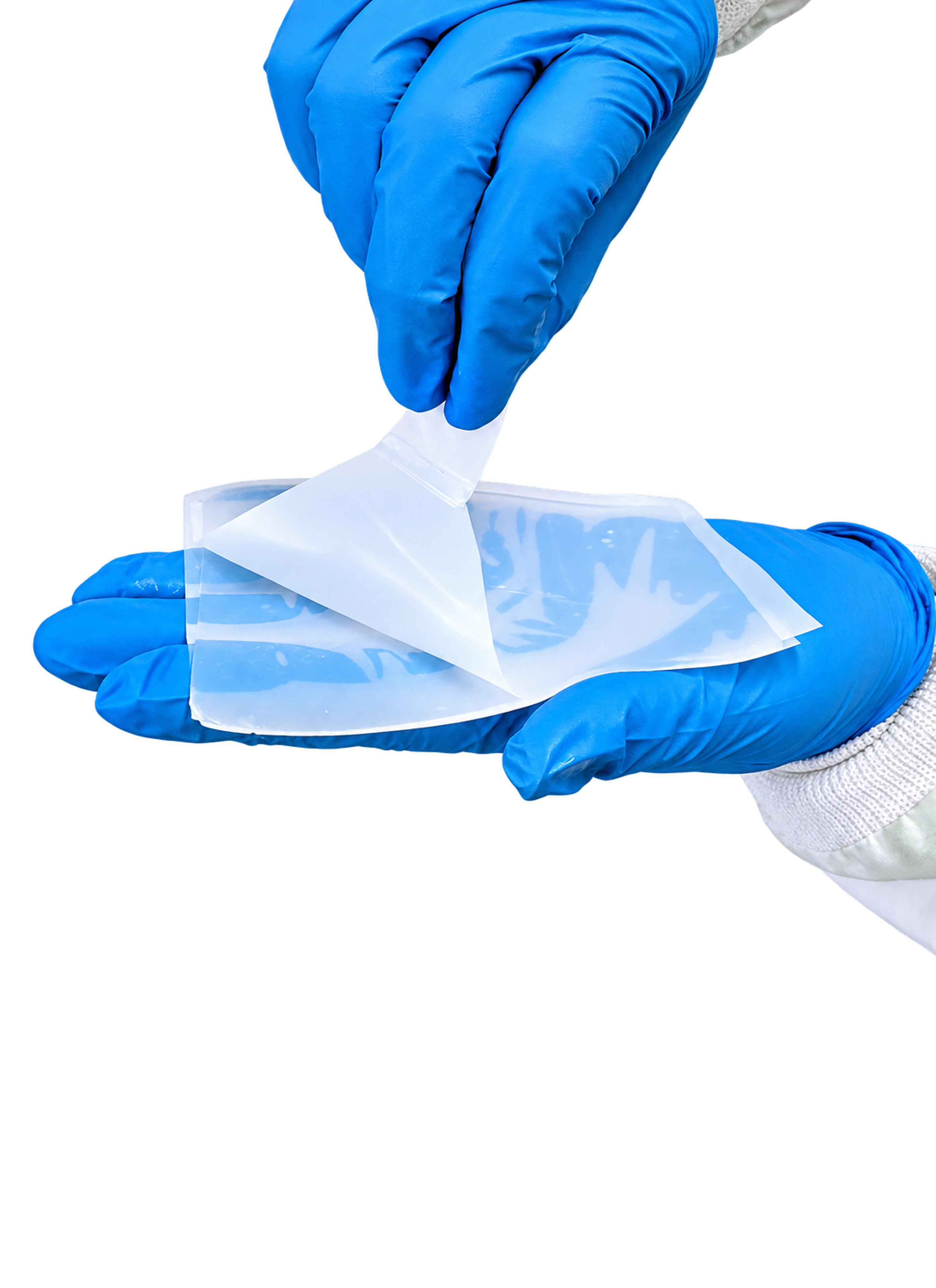
DermiSphere™ hDRT should not be used in patients with known sensitivity to bovine collagen and is not indicated for use in third-degree burns.³

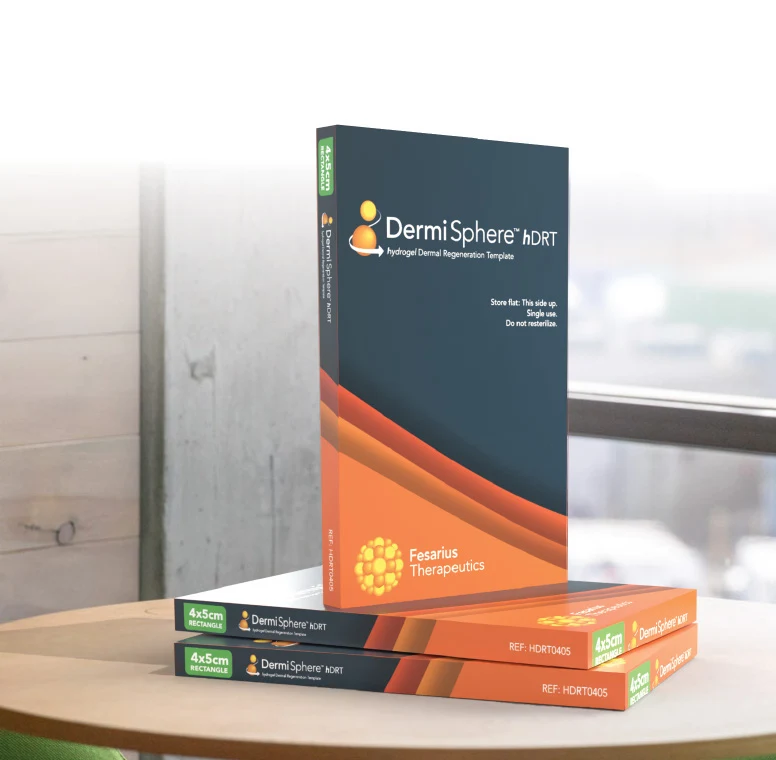
DermiSphere hDRT product packaging

Resources

Explore DermiSphere™ Resources

Access clinical, scientific and product resources to learn more about DermiSphere™ hDRT.

References
  1. Weisel A, Cohen R, Spector J, Sapir-Lekhovitser Y. Accelerated vascularization of a novel collagen hydrogel dermal template. J Tissue Eng Regen Med. 2022. doi:10.1002/term.3356. PubMed
  2. Clayman ES, Mirzamohammadi F, Daddario J, Valerio IL. Pilot Study: DermiSphere: A Novel Hydrogel with Collagen Microspheres Dermal Regeneration Template. Plast Reconstr Surg Glob Open. 2026;14:e7885. doi:10.1097/GOX.0000000000007885. Free full text (PMC)
  3. DermiSphere™ hDRT Instructions for Use. Fesarius Therapeutics. Current approved revision.
  4. Data Memo on File (022-0)
  5. DermiSphere™ hDRT 510(k) submission and applicable design documentation. Fesarius Therapeutics. Data on file. FDA 510(k) summary
  6. Human Factors Validation Study, DHF DC-001 / VR-001. Fesarius Therapeutics. Data on file.
  7. Performance Bench Testing, VD-008; RDR-044. Fesarius Therapeutics. Data on file.
  8. Luong D, Weisel A, Cohen R, Spector JA, Sapir-Lekhovitser Y. Successful reconstruction of full-thickness skin defects in a swine model using simultaneous split-thickness skin grafting and composite collagen microstructured dermal scaffolds. Wound Repair Regen. 2023;31(5):576–585. doi:10.1111/wrr.13102. Free full text (PMC)
  9. Luong D, Cohen R, Weisel A, et al. Enhanced Early Vascularization and Tissue Formation in a Biphasic Collagen Hydrogel Dermal Regeneration Template. Wound Repair Regen. 2026;34(2):e70152. doi:10.1111/wrr.70152. Free full text (PMC)
  10. Richbourg NR, Peppas NA. The swollen polymer network hypothesis: Quantitative models of hydrogel swelling, stiffness, and solute transport. Prog Polym Sci. 2020;105:101243. doi:10.1016/j.progpolymsci.2020.101243. Publisher article
  11. Celie KB, Toyoda Y, Dong X, Morrison KA, Zhang P, Asanbe O, et al. Microstructured hydrogel scaffolds containing differential density interfaces promote rapid cellular invasion and vascularization. Acta Biomater. 2019;91:144–158. doi:10.1016/j.actbio.2019.04.027. PubMed

Helping Surgeons Restore Soft Tissue with Confidence

Discover a differentiated approach to dermal regeneration designed around the biology of healing and the needs of surgical reconstruction.

Connect With Fesarius